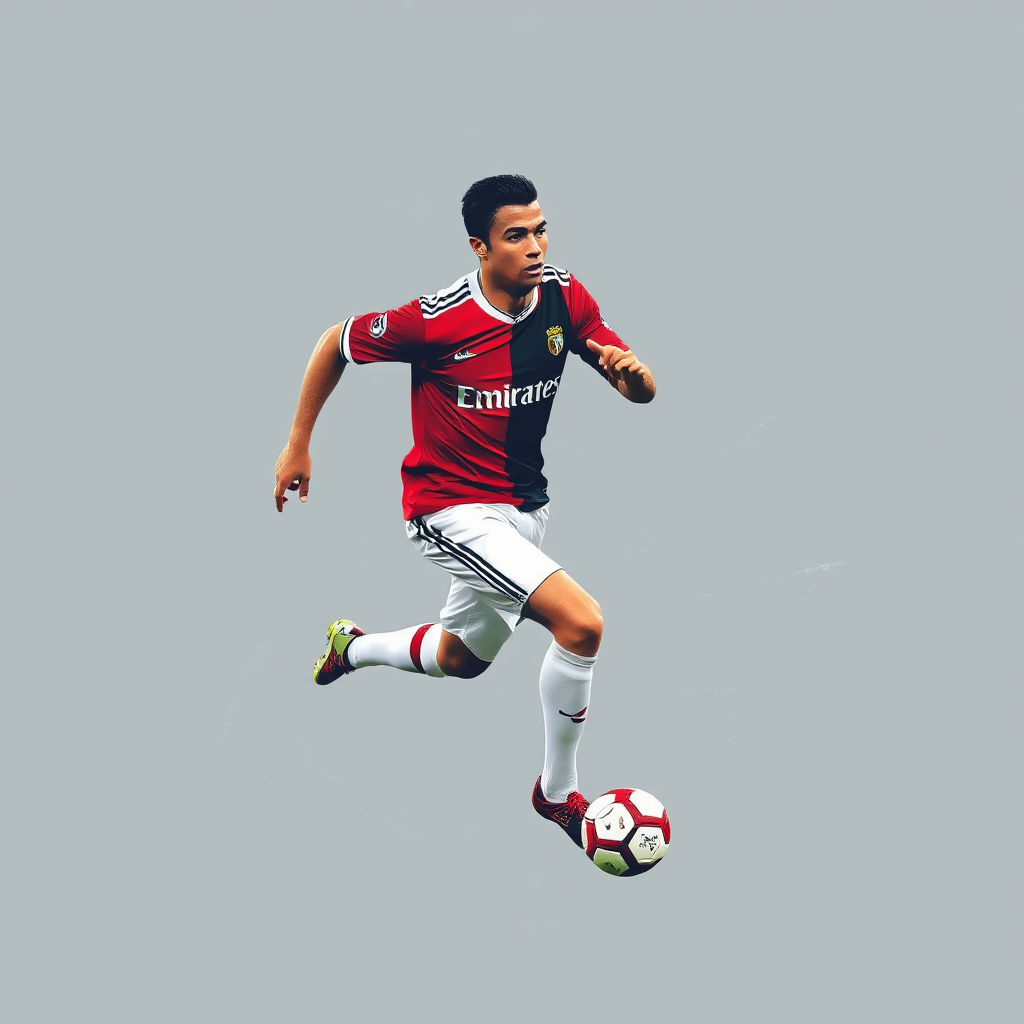
Napoli Star Immortalized in Bronze Statue Outside Historic Stadium: A User Experience Review of vipwincv.com
Yes, the bronze tribute to the star who defined Naples is a real sight — and the online interest it generates is just as tangible. Fans searching for the statue, the player behind it, and the historic stadium often end up on pages that mix sports nostalgia with commercial gaming services. One such destination is vipwincv.com. This review evaluates that platform through the lens of user experience design: what happens from the first click, through registration, into active use, and at the support stage.
Diego Maradona spent seven seasons in Naples, delivered two Serie A titles, and became something closer to a deity than a player. After his death, the city’s bond with him turned even more physical — murals, shrines, and the renaming of the stadium itself. A bronze statue outside that iconic venue has become a pilgrimage point for tifosi, and it has also become a search magnet. The question is whether the platforms that attract that search traffic actually serve the people who arrive.
What Fans Are Actually Searching For
Search intent around this story is rarely a single question. It is a cluster. Some fans ask who the statue depicts and how the design was approved. Others want to know whether the stadium still gets called San Paolo or only Maradona. A separate group, often younger and Vietnamese-speaking, searches for the story with the word “vipwin” attached because that is where they expect to find coverage. Understanding this cluster matters because it predicts how people behave once they land on the site.
- Fact seekers want the history in under ninety seconds.
- Visual users want gallery shots, match footage, and the statue from several angles.
- Leisure readers stay only if the headlines and layout feel modern.
- Potential bettors look for an honest, clearly marked transition from content to betting services.
These four groups have very different tolerance for friction. A UX review of vipwincv.com must therefore examine how well the platform serves all of them — not just the gambler.
 Hình minh hoạ: trang chủ vipwin
The Access Stage: Landing Experience and First Friction Points
The user experience starts long before the homepage. It starts with a search result, a click, and a judgment made in under five seconds. On a platform that combines sports media with wagering, the first-time visitor needs to understand instantly what the site is, whether it feels safe, and whether the article about the Napoli statue is one click away.
Good platforms separate editorial content from promotional tiles so that a story about the bronze unveiling does not blend into a casino lobby. A reader who wants to assess the site for themselves can open https://vipwincv.com/ and run through a quick checklist: Is the statue story reachable from the homepage? Does the page load cleanly on a phone? Do promotional elements outnumber editorial ones? Those three answers reveal more about a platform than any slogan ever will.
Another common friction point at this stage is speed. Heavy autoplay video, oversized hero banners, and background animations can delay the content for several seconds on average mobile connections. The criterion a UX reviewer should apply is simple: can the visitor reach the statue story in two taps or fewer after page load?

Registration and Onboarding: Where the Process Gets Complicated
For casual readers, registration should be optional. For anyone who wants to place a bet or use a paid service, it is mandatory. This is where many platforms collapse under the weight of their own requirements.
A well-designed registration flow on a platform like vipwincv.com would include the following:
- A minimal form: username, password, phone or email — and nothing else.
- An immediate verification step via SMS or email that confirms the address works.
- A clear explanation of why identity documents are required later, pushed to the withdrawal stage rather than the sign-up stage.
- Marketing consent toggles pre-selected to off.
- A responsible gambling reminder on the same screen, not buried in a help page.
Friction appears when the site demands a full profile, ID photos, and payment details before the user has seen anything valuable. A reader who only wanted to read about the bronze statue will abandon the journey. A bettor who is pushed through six screens of forms will abandon it even faster.
There is also the question of what happens after registration. The best experiences present a short tour — where to find live events, where to set deposit limits, where to contact support. Platforms that skip this leave new users to discover transaction rules by trial and error.

From Monument to Match: The Usage Phase
Once inside, the user should be able to move between editorial content and the gaming product without whiplash. Reading about Maradona’s statue and then checking live odds on a Napoli match is a natural sequence. The design challenge is making that transition feel deliberate rather than aggressive.
The usage phase breaks into three distinct tasks:
- Consuming content: article readability, image captions, internal links to related stories.
- Exploring betting markets: event menus, odds clarity, search function for specific matches.
- Managing risk: deposit limits, self-exclusion options, session timers, reality checks.
A platform that scores well in UX makes the second and third tasks equally easy. A platform that scores poorly hides the risk controls behind three nested menus while pushing deposits to the front page. That asymmetry is the most common complaint in user reviews of gaming platforms worldwide.

Risks, Red Flags, and How to Verify Them
No honest review of a platform with wagering components can skip the risk section. Beginners in particular should treat claims of high payout percentages, fast withdrawals, or “guaranteed winnings” as marketing language until proven otherwise. Betting always carries financial risk, and the house always holds an edge — that is the nature of the product.
The table below is a practical checklist readers can apply to vipwincv.com before depositing anything. Nothing here is a confirmed fact about the platform; it is a set of questions every user should ask regardless of which service they choose.
| Verification item | What to look for | Why it matters |
|---|---|---|
| Operating license | A named regulator, license number, or jurisdiction statement in the footer. | A missing or unnamed license is the strongest red flag in the industry. |
| Contact channels | Live chat, email, or a ticket system with a defined response time. | If support is unreachable before deposit, it will be unreachable after a dispute. |
| Responsible gambling tools | Deposit limits, loss limits, reality checks, and self-exclusion in the user panel. | Reputable operators treat these as core features, not PR gestures. |
| Terms clarity | Wagering requirements and withdrawal rules written in plain language. | Ambiguity in terms is a leading source of user complaints. |
Every user should also test the support channel before funding an account. Send a neutral question — for example, asking how to set a deposit limit — and measure how long the answer takes. Set a strict bankroll limit before any deposit, and never chase losses. These simple actions reveal more about a platform than any banner or slogan.
Frequently Asked Questions
Is there really a bronze statue of a Napoli star outside the stadium?
Naples has long honored Maradona with murals, monuments, and tributes, and the stadium was renamed in his memory. Italian fans widely associate a bronze tribute with him, though visitors should check current display and travel information before planning a trip.
Does vipwincv.com require registration to read sports articles?
That depends on the content architecture. Many mixed platforms allow free reading and reserve registration for betting services. The ideal experience lets readers browse stories without an account and introduces registration only when a transaction is intended.
How long does a typical withdrawal take on platforms like this?
There is no universal answer. Processing times vary by payment method, identity verification status, and the platform’s internal rules. Users should read the withdrawal policy before depositing and never rely on marketing screenshots.
What is the biggest UX mistake a gaming platform can make?
Hiding risk controls while making deposits prominent. That pattern signals that the operator values capture over care, and users should treat it as a warning.
Can a fan simply enjoy the content without betting?
Yes, if the platform separates editorial and gaming sections cleanly. If the site pushes betting promotions into every article page, the experience is designed for conversion, not for the reader.
Final Recommendation: Who Benefits and Who Should Click Away
The bronze statue outside the historic stadium is a symbol of loyalty, memory, and identity. A platform that covers it well deserves the traffic; a platform that covers it carelessly does not. The same standard applies to vipwincv.com.
Who might benefit: casual football fans who enjoy match-related stories alongside the possibility of a small, budgeted bet; experienced bettors who already know how to read terms, set limits, and verify licenses; Vietnamese-speaking users who value the local language coverage and who bookmark the trang chủ vipwin as a practical shortcut rather than a trusted authority.
Who should think twice: beginners who have never structured a betting budget, anyone experiencing financial strain, and people seeking a way to “earn” income from wagers. For them, the only correct recommendation is to close the tab. No bronze monument and no sports story justifies unmanaged gambling risk.
Readers who want the most from either the statue’s history or the platform’s services should treat both with equal respect — one as a monument to memory, the other as a commercial product that requires verification, limits, and caution.

 Hình minh hoạ:



 Hình minh hoạ: 33win.com



 Hình minh hoạ: m88



 Hình minh hoạ:

 Hình minh hoạ:



 Hình minh hoạ: 123b



 Hình minh hoạ: 8kbet